Feeling the fog? Discover how to boost your brain's communication network!
In our fast-paced world, maintaining peak cognitive function is more challenging than ever. Many of us grapple with occasional brain fog, memory lapses, or a general slowdown in mental acuity. While these symptoms can be concerning, they often point to a fundamental aspect of brain health: its connectivity.
Imagine your brain as a vast city, with billions of neurons acting as individual buildings. Brain connectivity refers to the intricate web of roads, highways, and communication lines that link these buildings, allowing information to flow seamlessly. When these neural pathways are strong and efficient, your brain operates at its best, supporting everything from memory and learning to focus and problem-solving. But when these connections weaken, you might experience what's commonly known as cognitive decline.
The Crucial Role of Brain Connectivity in Cognitive Health
Understanding how your brain communicates internally is the first step toward optimizing its function and protecting against age-related cognitive decline.
Our brains are incredibly complex organs, constantly processing information, learning new things, and adapting to our environment. This remarkable capability is largely dependent on the efficiency and strength of our neural networks, which are essentially pathways of interconnected neurons. These networks facilitate the rapid transmission of signals, allowing different brain regions to work together harmoniously. When we talk about brain connectivity, we're referring to the physical and functional links between these neurons and brain areas. Strong connectivity means faster processing, better memory, and enhanced problem-solving abilities.
Unfortunately, various factors can compromise this vital connectivity. Aging is a primary culprit, leading to a natural decline in synaptic plasticity – the ability of synapses (the junctions between neurons) to strengthen or weaken over time. Lifestyle choices, environmental toxins, chronic stress, poor diet, and lack of sleep also play significant roles. These factors can contribute to inflammation, oxidative stress, and reduced neurotransmitter production, all of which can disrupt neural pathways and lead to symptoms of cognitive decline such as memory loss, difficulty concentrating, and reduced mental energy. Protecting and enhancing these neural networks is paramount for maintaining cognitive vitality throughout life.
💡 Key Takeaway
Brain connectivity, or neural network support, is fundamental for all cognitive functions. It can be negatively impacted by aging and lifestyle, leading to cognitive decline. Understanding and actively supporting these connections is vital for long-term brain health.
Beyond Supplements: Holistic Approaches to Nurturing Your Neural Networks
While supplements can provide targeted support, a holistic approach combining various lifestyle strategies is the most effective way to foster robust brain connectivity.
Embrace a Brain-Healthy Diet
What you eat profoundly impacts your brain. Focus on a diet rich in antioxidants (berries, dark leafy greens), omega-3 fatty acids (fatty fish, flaxseeds), and whole grains. Reduce processed foods, excessive sugars, and unhealthy fats, which can promote inflammation and impair neural function. A diet like the Mediterranean or MIND diet is often recommended for cognitive health.
Prioritize Regular Physical Activity
Exercise isn't just good for your body; it's a powerhouse for your brain. Physical activity increases blood flow to the brain, delivering essential oxygen and nutrients. It also stimulates the release of growth factors that promote the formation of new neurons and strengthen existing connections, thereby enhancing neuroplasticity and overall brain connectivity.
Master the Art of Quality Sleep
Sleep is when your brain repairs itself, consolidates memories, and clears out metabolic waste products. Chronic sleep deprivation can severely impair cognitive function, reduce attention span, and weaken neural connections. Aim for 7-9 hours of quality sleep per night and establish a consistent sleep schedule to support optimal brain health.
Engage in Lifelong Learning and Mental Stimulation
Just like muscles, your brain needs exercise to stay sharp. Learning new skills, reading, solving puzzles, playing instruments, or engaging in intellectually stimulating conversations can create new neural pathways and strengthen existing ones. This mental engagement is crucial for maintaining cognitive reserve and preventing decline.
Manage Stress Effectively
Chronic stress can flood your brain with cortisol, a hormone that can damage brain cells and impair memory and learning. Incorporate stress-reduction techniques into your daily routine, such as meditation, yoga, deep breathing exercises, spending time in nature, or engaging in hobbies you enjoy. A calm mind supports clearer thinking and stronger neural connections.
Cultivate Social Connections
Humans are social creatures, and social interaction plays a vital role in cognitive health. Engaging with others stimulates various brain regions, improves mood, and can reduce the risk of cognitive decline. Maintain strong relationships with family and friends, and participate in community activities to keep your brain active and engaged.

The Gut-Brain Axis: A Highway for Neural Network Support
Emerging research highlights a fascinating and critical connection: the gut-brain axis. This bidirectional communication system links your digestive system directly to your central nervous system, profoundly influencing brain connectivity and cognitive function.
For decades, the brain was seen as the undisputed commander-in-chief, dictating all bodily functions. However, modern neuroscience has unveiled a powerful and often surprising partner in cognitive health: the gut. The gut-brain axis is a complex network involving direct nerve connections (like the vagus nerve), hormonal signaling, and the immune system, all modulated by the trillions of microorganisms residing in your intestines – your gut microbiota. This intricate communication pathway means that the health of your gut directly impacts the health and connectivity of your brain.
A balanced and diverse gut microbiome is crucial for optimal brain function. Beneficial gut bacteria produce a wide array of compounds that influence the brain. For instance, they synthesize neurotransmitters like serotonin and gamma-aminobutyric acid (GABA), which are vital for mood regulation, learning, and memory. They also produce short-chain fatty acids (SCFAs) such as butyrate, propionate, and acetate, which can cross the blood-brain barrier and serve as energy sources for brain cells, reduce neuroinflammation, and promote the integrity of the blood-brain barrier itself. A compromised gut, often referred to as "leaky gut," can lead to systemic inflammation that can extend to the brain, contributing to neuroinflammation and damaging delicate neural networks. This makes supporting gut health a cornerstone of any strategy aimed at enhancing brain connectivity supplement options.
Disruptions in the gut microbiome, caused by factors like poor diet, stress, antibiotics, and environmental toxins, can lead to dysbiosis – an imbalance of gut bacteria. This dysbiosis can impair the production of beneficial compounds, increase inflammatory markers, and negatively impact the gut-brain axis, thereby contributing to cognitive decline, brain fog, and even mood disorders. Therefore, strategies that promote a healthy gut microbiome, such as consuming fermented foods, dietary fiber, and targeted probiotics, are increasingly recognized as essential for supporting robust neural networks and safeguarding cognitive health.
Common Contributors to Impaired Brain Connectivity
Aging
As we age, natural processes can lead to a reduction in synaptic plasticity, neuronal damage, and decreased efficiency in neural communication, contributing to memory loss and slower processing speed.
Poor Diet
Diets high in processed foods, sugar, and unhealthy fats can promote inflammation and oxidative stress, which are detrimental to brain cells and the integrity of neural pathways.
Lack of Sleep
Chronic sleep deprivation impairs the brain's ability to clear toxins, consolidate memories, and repair neuronal connections, leading to reduced cognitive function and brain fog.
Chronic Stress
Persistent stress elevates cortisol levels, which can damage the hippocampus (a key memory region) and disrupt neurotransmitter balance, weakening neural networks over time.
Environmental Toxins
Exposure to heavy metals, pesticides, and air pollutants can induce oxidative stress and neuroinflammation, directly harming brain cells and impairing their ability to form strong connections.
Sedentary Lifestyle
Lack of physical activity reduces blood flow to the brain and decreases the production of brain-derived neurotrophic factor (BDNF), a protein crucial for neuronal growth and connectivity.
Exploring Brain Connectivity Supplement Options for Neural Network Support
While lifestyle forms the bedrock of brain health, targeted supplements can provide specific nutrients and compounds that directly support neural network function and resilience.
In the quest for optimal brain health and robust neural networks, many individuals turn to dietary supplements. The market is flooded with options, but discerning which ingredients genuinely support brain connectivity requires a scientific approach. The best supplements for neural network support often focus on addressing key areas: reducing inflammation, combating oxidative stress, enhancing neurotransmitter function, and crucially, optimizing the gut-brain axis. For those looking for a comprehensive approach, understanding what makes a best supplement for neural pathways is key.
Among the most promising ingredients are those that nurture the gut microbiome. Probiotics, for instance, are live beneficial bacteria that, when administered in adequate amounts, confer a health benefit on the host. Certain probiotic strains have been specifically studied for their neuroprotective and cognitive-enhancing effects, largely through their interaction with the gut-brain axis. These strains can help restore gut balance, reduce systemic inflammation, and influence the production of brain-active compounds. Prebiotics, on the other hand, are non-digestible fibers that selectively stimulate the growth and activity of beneficial bacteria in the colon, effectively feeding the good bugs that then support brain health.
Beyond gut-focused ingredients, other compounds found in supplements can directly benefit neural networks. Antioxidants, like those found in fruit extracts, help protect brain cells from damage caused by free radicals. Certain vitamins and minerals are essential cofactors for neurotransmitter synthesis and energy production within brain cells. Omega-3 fatty acids, particularly DHA, are structural components of brain cell membranes and play a crucial role in synaptic function. When considering a synapse-boosting supplement, it's vital to look for synergistic blends of ingredients that address multiple aspects of brain health.
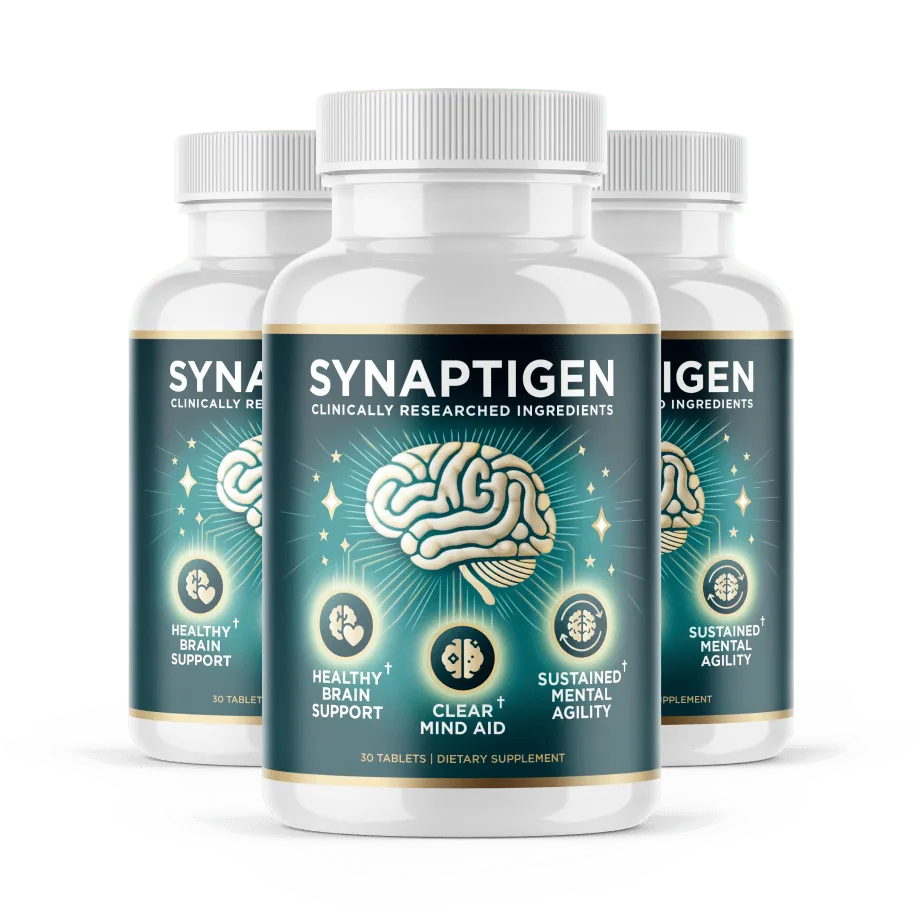
Synaptigen: A Targeted Approach to Brain Connectivity and Gut-Brain Health
Synaptigen offers a unique blend of ingredients specifically chosen to support brain connectivity by nurturing the gut-brain axis and providing direct neural support.

Bifidobacterium lactis (BL-04)
Role: This powerful probiotic strain is known for its ability to support gut health and modulate the immune system. Research suggests it can reduce inflammation and improve gut barrier function, which is crucial for a healthy gut-brain axis. By fostering a balanced gut environment, BL-04 helps reduce neuroinflammation and supports the optimal functioning of neural networks, potentially enhancing cognitive clarity and reducing brain fog.
5-10 Billion CFU
Lactobacillus paracasei
Role: Another key probiotic, *Lactobacillus paracasei* has been studied for its potential to influence mood and cognitive function. It contributes to a diverse gut microbiome, which is essential for producing neuroactive compounds. By supporting neurotransmitter balance and reducing oxidative stress in the gut, this strain indirectly supports brain connectivity and resilience against cognitive decline.
3-8 Billion CFU
Lactobacillus reuteri
Role: *Lactobacillus reuteri* is gaining recognition for its diverse health benefits, including its impact on the gut-brain axis. It's thought to influence social behavior and reduce inflammation, which can have positive ripple effects on brain health. By promoting a healthy gut environment, *L. reuteri* helps create conditions conducive to strong neural connections and improved cognitive processing.
1-5 Billion CFU
Inulin (Prebiotic Fiber)
Role: As a potent prebiotic, inulin acts as food for beneficial gut bacteria, including the probiotic strains in Synaptigen. By nourishing these good bacteria, inulin helps them thrive and multiply, further enhancing the positive effects on the gut microbiome and, consequently, the gut-brain axis. This synergistic action supports the production of short-chain fatty acids vital for brain energy and protection.
200-500mg
Peppermint Extract
Role: Beyond its refreshing taste, peppermint has been traditionally used for its calming and digestive benefits. In the context of brain health, peppermint extract may help alleviate symptoms of digestive discomfort, which can indirectly improve the gut-brain communication. It also contains compounds that may have antioxidant properties, offering a layer of protection to neural cells.
50-100mg
Strawberry Extract
Role: Strawberries are rich in antioxidants, particularly anthocyanins and ellagic acid, which are known for their neuroprotective properties. These compounds help combat oxidative stress in the brain, a major contributor to cognitive decline. By reducing cellular damage, strawberry extract supports the health and longevity of neurons, thereby contributing to stronger brain connectivity and improved memory.
30-75mg
Ready to Experience Enhanced Brain Connectivity and Clarity?
Synaptigen is meticulously formulated with a synergistic blend of scientifically-backed probiotics, prebiotics, and natural extracts designed to support your neural networks from the ground up – starting with your gut.
- ✓ Supports a healthy gut microbiome for optimal gut-brain axis function.
- ✓ Promotes stronger neural pathways for improved memory and learning.
- ✓ Helps reduce brain fog and enhances mental clarity and focus.
- ✓ Provides antioxidant protection to safeguard brain cells.
- ✓ All-natural, non-GMO, and made in a GMP-certified facility.




What Our Users Are Saying About Synaptigen
"I used to struggle with daily brain fog and forgetting names. Since starting Synaptigen, my mind feels sharper, and my memory recall is significantly better. It's like a cloud has lifted!"
"As a student, focus is everything. Synaptigen has been a game-changer. I can concentrate for longer periods, and my learning capacity feels enhanced. Highly recommend for anyone needing a cognitive boost."
"I was skeptical at first, but the difference is undeniable. My overall mental energy has improved, and I feel more alert and engaged throughout the day. Plus, my digestion feels better too!"
Frequently Asked Questions
What is brain connectivity and why is it important for cognitive function?
+Brain connectivity refers to the physical and functional links between different areas of the brain, forming complex neural networks. These networks are crucial for all cognitive processes, including memory, learning, attention, and problem-solving. Strong, efficient connectivity allows for faster information processing and better cognitive performance, while impaired connectivity can contribute to cognitive decline and conditions like brain fog.
How do lifestyle factors influence brain connectivity and neural networks?
+Lifestyle factors play a profound role in shaping brain connectivity. Regular physical exercise enhances blood flow to the brain and promotes neuroplasticity, the brain's ability to reorganize itself. A balanced diet rich in antioxidants, omega-3s, and probiotics supports neuronal health. Quality sleep is essential for memory consolidation and neural repair. Chronic stress and lack of mental stimulation, conversely, can impair connectivity and accelerate cognitive decline.
Can diet alone support optimal brain connectivity, or are supplements necessary?
+While a nutrient-rich diet forms the foundation for brain health, modern diets often lack sufficient amounts of specific compounds vital for optimal neural network support. Supplements can bridge these nutritional gaps, providing targeted ingredients like specialized probiotics, prebiotics, and phytonutrients that are difficult to obtain in adequate amounts from food alone. They can offer an additional layer of support to enhance and protect brain connectivity.
What is the gut-brain axis, and how does it relate to brain health?
+The gut-brain axis is a bidirectional communication system linking the central nervous system with the enteric nervous system of the gut. The gut microbiota, a vast community of microorganisms in the intestines, produces neurotransmitters, short-chain fatty acids, and other compounds that directly influence brain function, mood, and cognitive processes. A healthy, diverse gut microbiome is critical for maintaining robust brain connectivity and mitigating inflammation that can harm neural networks.
Are there specific ingredients in supplements proven to support neural networks?
+Yes, several ingredients have shown promise in supporting neural networks and brain connectivity. These include specific probiotic strains like *Bifidobacterium lactis* and *Lactobacillus paracasei*, which can modulate the gut-brain axis; prebiotics such as inulin, which nourish beneficial gut bacteria; and natural extracts like peppermint and strawberry, rich in antioxidants and compounds that support cognitive function and reduce oxidative stress.
How long does it take to see benefits from brain connectivity supplements like Synaptigen?
+The timeframe to experience benefits from brain connectivity supplements can vary greatly among individuals, depending on factors such as baseline cognitive health, consistency of use, and overall lifestyle. While some individuals may notice subtle improvements in focus or mood within a few weeks, significant and sustained enhancements in memory, clarity, and neural network function typically become more apparent after 2-3 months of consistent supplementation, alongside healthy lifestyle practices.
Related Articles


.webp)