Struggling with memory lapses, brain fog, or a general decline in mental sharpness?
As we age, many of us begin to notice subtle changes in our cognitive abilities. It's a natural part of life, but it doesn't mean we have to accept a decline in our mental prowess. The good news is that there are numerous natural strategies and herbal solutions that can significantly support brain health and potentially mitigate the effects of cognitive decline.
This comprehensive guide, informed by the latest cognitive neuroscience research, delves into the most promising natural remedies and lifestyle adjustments designed to nurture your neural pathways and promote lasting mental vitality. We'll explore how specific plant extracts, nutritional approaches, and mindful practices can help you maintain a sharp mind and vibrant memory for years to come.
Understanding Cognitive Decline: More Than Just "Getting Old"
Cognitive decline is a broad term encompassing a range of changes in mental abilities, from mild forgetfulness to more significant impairments that affect daily life. It's important to distinguish between normal age-related cognitive changes and more concerning signs of decline.
While occasional memory lapses or slower processing speed can be a natural part of aging, persistent brain fog, difficulty concentrating, or challenges with problem-solving might indicate a need for proactive intervention. Factors such as genetics, lifestyle choices, chronic stress, poor nutrition, and lack of mental stimulation all play a role in the progression of cognitive decline. The good news is that many of these factors are within our control, offering a powerful opportunity to support and even enhance our brain health naturally. Our focus here is on how to improve brain health naturally, emphasizing a holistic approach that nurtures the brain from multiple angles.
The brain, much like any other organ, benefits from consistent care and the right support. When we talk about natural brain health remedies, we're referring to a spectrum of interventions that harness the body's innate healing capabilities and leverage the power of natural compounds. This includes everything from specific dietary changes and targeted nutritional supplements to herbal solutions and mindful practices. The goal is not just to prevent decline, but to optimize cognitive function, enhance mental resilience, and foster a lifelong love of learning and clarity.
💡 Key Takeaway
Cognitive decline is influenced by many factors, but natural remedies and lifestyle adjustments offer significant potential to support and enhance brain health, moving beyond mere age-related changes towards active mental vitality.
The Gut-Brain Axis: A Foundation for Neural Health
One of the most exciting frontiers in cognitive neuroscience is the understanding of the profound connection between our gut and our brain, known as the gut-brain axis. This bidirectional communication system plays a critical role in everything from mood regulation to cognitive function.
Your gut microbiome—the trillions of bacteria, viruses, and fungi residing in your digestive tract—is far more than just a digestive aid. It's a bustling ecosystem that produces neurotransmitters (like serotonin and dopamine), short-chain fatty acids (SCFAs), and other metabolites that directly influence brain health. An imbalanced gut microbiome, or dysbiosis, can lead to increased inflammation, oxidative stress, and impaired brain signaling, contributing to conditions like brain fog, anxiety, and even accelerating cognitive decline. Conversely, a healthy, diverse microbiome has been linked to improved memory, enhanced learning, and a reduced risk of neurological disorders.
Supporting your gut health is a cornerstone of natural brain health relief remedies. This often involves:
- Probiotics: Live beneficial bacteria found in fermented foods (yogurt, kimchi, sauerkraut) or supplements. Specific probiotic strains have been studied for their neuroprotective effects and ability to modulate mood and cognition.
- Prebiotics: Non-digestible fibers that feed beneficial gut bacteria. Found in foods like onions, garlic, bananas, and oats, prebiotics help foster a thriving gut environment.
- Fiber-Rich Diet: A diet rich in diverse plant foods provides the necessary fiber to nourish a healthy microbiome, promoting the production of beneficial compounds that support brain function.
Powerful Herbal Allies for Brain Health
Nature has provided us with an incredible pharmacy of plants, many of which contain potent compounds known to support cognitive function and protect the brain from age-related decline. Incorporating these herbal solutions can be a significant step in your journey toward enhanced neural support.
Bacopa Monnieri: The Memory Enhancer
An adaptogenic herb revered in Ayurvedic medicine, Bacopa Monnieri is celebrated for its ability to improve memory, learning, and cognitive processing speed. It works by enhancing nerve impulse transmission and promoting the growth of dendrites, which are crucial for neural communication. Studies suggest it can reduce anxiety and improve attention, making it a powerful tool against brain fog.
Ginkgo Biloba: Circulation and Clarity
Derived from one of the oldest tree species, Ginkgo Biloba is well-known for its positive effects on cerebral blood flow. By improving circulation to the brain, it ensures that brain cells receive adequate oxygen and nutrients, which are vital for optimal function. This can lead to improved memory, focus, and overall cognitive performance, especially in individuals experiencing age-related cognitive concerns.
Rhodiola Rosea: Stress and Mental Endurance
Another powerful adaptogen, Rhodiola Rosea helps the body adapt to physical, chemical, and environmental stress. For brain health, this translates to reduced mental fatigue, improved concentration, and enhanced mood. By balancing neurotransmitters and protecting against oxidative stress, Rhodiola supports mental endurance and resilience against everyday cognitive challenges.
Lion's Mane Mushroom: Nerve Growth Factor
This unique medicinal mushroom is gaining significant attention for its neurotrophic properties. Lion's Mane contains compounds that stimulate the production of Nerve Growth Factor (NGF), a protein essential for the growth, maintenance, and survival of neurons. This makes it a promising natural remedy for supporting nerve regeneration and protecting against cognitive decline, fostering sharper memory and cognitive function.
Turmeric (Curcumin): Anti-inflammatory Powerhouse
The active compound in turmeric, curcumin, is a potent anti-inflammatory and antioxidant agent. Chronic inflammation in the brain is a major contributor to cognitive decline. Curcumin can cross the blood-brain barrier, where it helps reduce inflammation, clear amyloid plaques, and improve overall brain health, offering significant neuroprotective benefits. This makes it a valuable addition to any natural brain health regimen.

Essential Nutrients and Dietary Strategies for a Sharp Mind
Beyond specific herbs, a nutrient-dense diet forms the bedrock of optimal brain health. Our brains require a steady supply of vitamins, minerals, healthy fats, and antioxidants to function at their best. Dietary choices profoundly impact cognitive performance and the trajectory of cognitive decline.
One of the most well-researched dietary patterns for brain health is the Mediterranean Diet. Rich in fruits, vegetables, whole grains, legumes, nuts, seeds, and olive oil, it emphasizes lean protein sources like fish and limits red meat and processed foods. This diet provides a wealth of antioxidants and anti-inflammatory compounds that protect brain cells from damage. Key nutrients for brain health include:
- Omega-3 Fatty Acids: Found in fatty fish (salmon, mackerel), flaxseeds, and walnuts, DHA and EPA are crucial for brain structure and function, supporting memory and reducing inflammation.
- B Vitamins (B6, B9, B12): Essential for neurotransmitter synthesis and nerve function, B vitamins help reduce homocysteine levels, which are linked to cognitive decline.
- Antioxidants (Vitamins C & E, Flavonoids): Abundant in berries, leafy greens, and dark chocolate, these compounds combat oxidative stress, a major contributor to brain aging.
- Magnesium: Involved in over 300 enzymatic reactions, magnesium plays a vital role in nerve transmission, learning, and memory.
- Zinc: Crucial for neuronal signaling and synaptic plasticity, zinc deficiency can impair cognitive function.
Daily Habits for a Resilient Mind
While diet and supplements are vital, everyday lifestyle choices have a profound impact on your brain's long-term health and its ability to resist cognitive decline. Integrating these simple yet powerful habits can make a significant difference.
Mindful Eating
Pay attention to what you eat and how it makes you feel. A diet rich in whole, unprocessed foods, especially those high in antioxidants and healthy fats, nourishes your brain. Avoid excessive sugar and processed foods that can lead to inflammation and cognitive impairment.
Regular Exercise
Physical activity isn't just good for your body; it's fantastic for your brain. Exercise increases blood flow to the brain, promotes the growth of new brain cells, and boosts the release of brain-derived neurotrophic factor (BDNF), vital for learning and memory. Aim for at least 150 minutes of moderate-intensity exercise per week.
Quality Sleep
During sleep, your brain performs critical maintenance tasks, including clearing out metabolic waste products and consolidating memories. Chronic sleep deprivation can significantly impair cognitive function and accelerate cognitive decline. Prioritize 7-9 hours of quality sleep each night.
Mental Engagement
Keep your brain active and challenged. Learning new skills, reading, solving puzzles, playing instruments, or engaging in stimulating conversations can build cognitive reserve and promote neuroplasticity. Lifelong learning is key to maintaining mental sharpness.
Stress Reduction
Chronic stress can lead to inflammation, damage brain cells, and impair memory. Incorporate stress-reducing practices into your daily routine, such as meditation, yoga, deep breathing exercises, spending time in nature, or engaging in hobbies you enjoy.
Social Connection
Maintaining strong social ties is linked to better cognitive function and a reduced risk of cognitive decline. Social interaction stimulates various brain regions and provides emotional support, which is crucial for mental well-being. Prioritize spending time with loved ones and engaging in community activities.
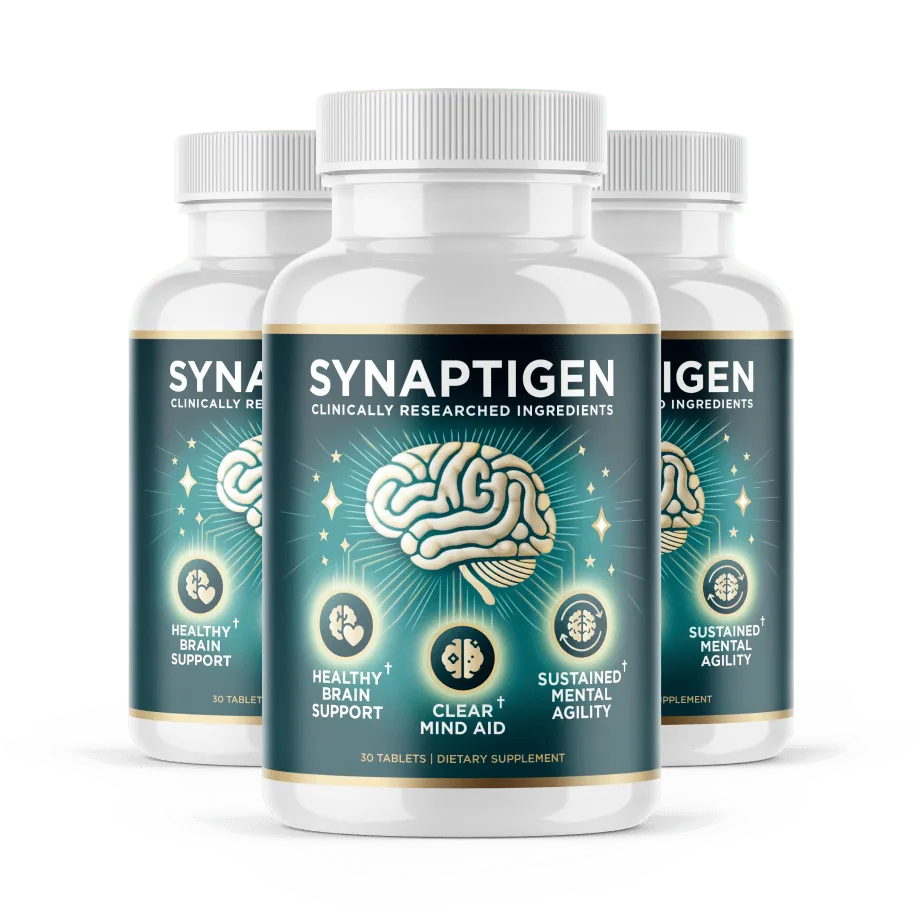
Synaptigen: A Targeted Natural Solution for Comprehensive Neural Support
While a holistic approach involving diet, exercise, and stress management is paramount, targeted natural supplements can provide an extra layer of support for brain health. Synaptigen is formulated with a blend of ingredients specifically chosen for their roles in cognitive enhancement and gut-brain axis support, offering a gentle yet effective solution among many natural brain health relief remedies.

Bifidobacterium Lactis (BL-04)
Role: Supports a healthy gut microbiome, which is crucial for the gut-brain axis. BL-04 has been studied for its potential to reduce inflammation and oxidative stress, thereby indirectly supporting cognitive function and mood regulation. It contributes to a balanced gut environment, which is foundational for overall neural health.
5-10 Billion CFU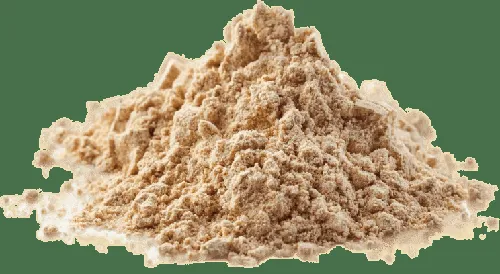
Inulin
Role: A powerful prebiotic fiber that nourishes beneficial gut bacteria. By feeding strains like Bifidobacterium, Inulin helps create a robust microbiome, enhancing the production of short-chain fatty acids that positively influence brain health and cognitive resilience. It's essential for maintaining gut barrier integrity.
2-5 grams
Lactobacillus Paracasei
Role: Another key probiotic strain known for its immune-modulating properties and its ability to influence the gut-brain axis. L. paracasei can help reduce systemic inflammation, which is a known contributor to cognitive decline, and support mental well-being by impacting neurotransmitter pathways.
5-15 Billion CFU
Lactobacillus Reuteri
Role: This probiotic strain has garnered attention for its unique ability to support gut health and potentially influence cognitive and social behaviors. It contributes to a diverse microbiome and may have direct effects on neuroinflammation and the production of compounds beneficial for brain function, further strengthening the gut-brain connection.
1-10 Billion CFU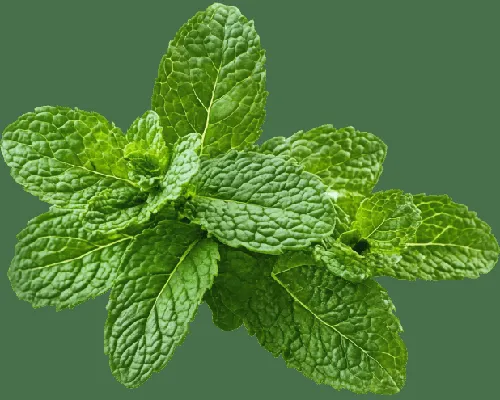
Peppermint Extract
Role: Often used for its soothing properties on the digestive system, peppermint extract can also have indirect benefits for cognitive function. Its aromatic compounds may help improve alertness and reduce mental fatigue, contributing to a clearer mind and enhanced focus. It also aids in overall digestive comfort, reducing gut-related stress.
50-100 mg
Strawberry Extract
Role: Rich in antioxidants, particularly anthocyanins and ellagic acid, strawberry extract provides powerful protection against oxidative stress in the brain. These compounds help combat free radical damage, reduce inflammation, and support healthy blood flow, all of which are crucial for maintaining cognitive function and memory as we age.
50-200 mg
Tricalcium Phosphate
Role: Primarily used as a flow agent and anti-caking agent in supplements, ensuring the ingredients remain stable and mix well. While not a direct cognitive enhancer, it contributes to the quality and consistency of the supplement, indirectly supporting effective delivery of the active ingredients.
As needed (filler)
Reclaim Your Mental Edge with Synaptigen
Synaptigen offers a carefully curated blend of natural ingredients designed to support cognitive function, enhance memory, and sharpen focus. Formulated by cognitive neuroscience researchers, it's a step towards a clearer, more vibrant mind, working synergistically with your body's natural processes.
- Supports memory retention and recall
- Enhances focus and concentration
- Promotes a positive mood and reduced brain fog
- Nourishes the gut-brain axis for holistic health
- Made with 100% natural, scientifically-backed ingredients




What Our Users Are Saying
"I used to struggle with finding the right words and remembering names. After incorporating these natural strategies and trying Synaptigen, I feel a remarkable difference. My mind feels sharper, and the brain fog has lifted!"
"As a busy professional, maintaining focus is crucial. I've tried various things, but the holistic approach outlined here, combined with Synaptigen, has truly improved my concentration and overall mental clarity. I feel more productive and alert throughout the day."
"I was skeptical about natural remedies, but Dr. Zhang's insights and the science behind Synaptigen convinced me. My memory recall is better, and I feel a renewed sense of mental energy. It's truly a game-changer for anyone concerned about cognitive decline."
Frequently Asked Questions
What causes cognitive decline as we age?
+Cognitive decline is a complex process influenced by a combination of genetic, environmental, and lifestyle factors. As we age, changes in brain structure and function, such as reduced neuroplasticity, accumulation of amyloid plaques and tau tangles, and decreased neurotransmitter production, can contribute to memory loss, slower processing speed, and difficulties with focus. Oxidative stress, inflammation, and vascular issues also play significant roles. While some decline is normal, significant impairment is often linked to underlying health conditions or prolonged exposure to detrimental lifestyle habits.
Can natural remedies truly improve memory and focus?
+Yes, a growing body of scientific evidence suggests that certain natural remedies, including specific herbal extracts, vitamins, minerals, and probiotics, can significantly support cognitive function. These remedies work through various mechanisms, such as reducing inflammation, providing antioxidant protection, enhancing neurotransmitter synthesis, and improving blood flow to the brain. When combined with a healthy diet, regular exercise, adequate sleep, and mental stimulation, natural remedies can be a powerful tool in improving memory, focus, and overall mental clarity, helping to mitigate the effects of cognitive decline.
How does the gut microbiome impact brain health?
+The gut-brain axis is a bidirectional communication system linking the central nervous system with the enteric nervous system of the gut. The trillions of microorganisms in our gut, collectively known as the microbiome, produce neurotransmitters, short-chain fatty acids, and other metabolites that directly influence brain function, mood, and cognitive processes. An imbalanced gut microbiome (dysbiosis) can lead to increased inflammation, oxidative stress, and impaired brain signaling, contributing to conditions like brain fog, anxiety, and even accelerating cognitive decline. Supporting a healthy gut through probiotics and prebiotics is crucial for optimal neural support.
What role do herbal extracts play in neural support?
+Herbal extracts have been used for centuries in traditional medicine for their therapeutic properties, and modern research is increasingly validating their benefits for brain health. Many herbs contain bioactive compounds like flavonoids, terpenoids, and polyphenols that possess antioxidant, anti-inflammatory, and neuroprotective effects. They can enhance cerebral circulation, stimulate neurogenesis, modulate neurotransmitter activity, and protect brain cells from damage. Examples include Bacopa Monnieri for memory, Ginkgo Biloba for circulation, and certain probiotics for gut-brain axis support.
Is Synaptigen safe to use with other medications?
+Synaptigen is formulated with natural ingredients generally recognized as safe. However, as with any supplement, it's crucial to consult with your healthcare provider before starting Synaptigen, especially if you are currently taking prescription medications, have existing medical conditions, or are pregnant or nursing. Your doctor can assess potential interactions and ensure that Synaptigen is appropriate for your individual health needs. They can provide personalized advice based on your complete medical history.
How long does it take to see results from natural brain health solutions like Synaptigen?
+The timeframe for experiencing noticeable benefits from natural brain health solutions can vary significantly among individuals, depending on factors such as the severity of cognitive decline, consistency of use, overall lifestyle, and individual metabolism. While some users may report subtle improvements in focus and energy within a few weeks, more significant and lasting changes in memory and cognitive clarity typically require consistent use over several months. It's important to maintain a holistic approach, combining supplements with a healthy lifestyle for optimal and sustained results.
Explore More Brain Health Insights
.webp)