Are you seeking the best ways to support your brain's vital chemical messengers?
In our increasingly demanding world, maintaining peak cognitive function is more crucial than ever. From memory recall to mood regulation, every aspect of our mental well-being is intricately linked to the delicate balance of neurotransmitters in our brain. When these chemical messengers are out of sync, the impact can range from subtle "brain fog" to more significant challenges associated with cognitive decline.
Understanding how to optimize your brain chemistry is the first step towards a sharper mind and a more vibrant life. This article will delve into the science of neurotransmitter support, exploring not only the direct pathways within the brain but also the profound connection of the gut-brain axis, offering a holistic view on enhancing cognitive health and mitigating the risks of age-related cognitive decline.
Understanding Neurotransmitters: The Brain's Chemical Messengers
At the core of all brain function are neurotransmitters – tiny chemical compounds that facilitate communication between neurons. Imagine them as the intricate messaging system of your brain, responsible for transmitting signals that dictate everything from your ability to focus on this sentence to your emotional responses and sleep patterns.
There are dozens of different neurotransmitters, each with specific roles, but a few are particularly critical for cognitive health and are often targeted in strategies for neurotransmitter support:
- Acetylcholine: Often dubbed the "learning neurotransmitter," acetylcholine plays a vital role in memory formation, learning, and attention. A decline in acetylcholine levels is frequently observed in individuals experiencing cognitive decline.
- Dopamine: Associated with pleasure, reward, motivation, and executive functions. Balanced dopamine levels are crucial for focus, problem-solving, and drive.
- Serotonin: Best known for its role in mood regulation, serotonin also impacts sleep, appetite, and social behavior. Imbalances can contribute to anxiety, depression, and difficulties with memory.
- GABA (Gamma-Aminobutyric Acid): The primary inhibitory neurotransmitter, GABA helps to calm the nervous system, reducing anxiety and promoting relaxation. It's essential for maintaining mental tranquility and preventing overstimulation.
- Glutamate: The main excitatory neurotransmitter, glutamate is critical for learning and memory. However, too much glutamate can lead to excitotoxicity, which can be damaging to neurons.
The intricate dance between these neurotransmitters forms the basis of our cognitive abilities and emotional stability. When this balance is disrupted, whether by stress, poor diet, environmental toxins, or aging, the consequences can manifest as brain fog, memory issues, mood swings, and a general decline in mental sharpness. This is where targeted brain chemistry optimization becomes essential.
💡 Key Takeaway
Neurotransmitters are the brain's essential chemical messengers, governing mood, memory, focus, and sleep. Maintaining their delicate balance is fundamental for optimal cognitive function and preventing the symptoms associated with cognitive decline.
The Gut-Brain Axis: A Critical Connection for Brain Chemistry
For decades, the brain was considered the sole command center for our mental health. However, cutting-edge research has unveiled a profound and bidirectional communication network known as the gut-brain axis. This isn't just a metaphor; it's a physiological highway connecting your digestive system and your brain, influencing everything from your mood to your memory.
The gut, often referred to as our "second brain," houses trillions of microorganisms collectively known as the gut microbiome. These microbes are far from passive residents; they actively participate in our physiology, including the production of neurotransmitters and their precursors. For instance, an astonishing 80-90% of the body's serotonin is produced in the gut. Dopamine and GABA are also significantly influenced by gut microbes.
A healthy and diverse gut microbiome is crucial for supporting optimal brain chemistry. When the gut is imbalanced (a condition known as dysbiosis), it can lead to:
- Reduced Neurotransmitter Production: Fewer beneficial bacteria mean less production of vital brain chemicals.
- Increased Inflammation: An unhealthy gut can lead to systemic inflammation, which can cross the blood-brain barrier and negatively impact brain function and neuronal health.
- Compromised Blood-Brain Barrier: Gut dysbiosis can weaken the integrity of the blood-brain barrier, making the brain more vulnerable to toxins and inflammatory compounds.
- Altered Stress Response: The gut microbiome can modulate the body's stress response system, affecting cortisol levels and overall resilience to stress.
Therefore, any comprehensive strategy for neurotransmitter support must consider the health of the gut. Supporting your gut microbiome with prebiotics and probiotics can be a powerful way to indirectly, yet significantly, enhance your brain's chemical balance and contribute to better cognitive function. This holistic perspective is increasingly recognized as a cornerstone in preventing and addressing cognitive decline.
Holistic Approaches to Support Your Brain Chemistry
Optimizing neurotransmitter function goes beyond just supplements; it involves a synergistic approach integrating various lifestyle factors. These pillars are fundamental for fostering a brain-healthy environment and are crucial for anyone looking for the best brain health supplement to work optimally.
Nutrient-Rich Diet
What you eat directly fuels your brain and influences neurotransmitter production. A diet rich in whole foods, lean proteins, healthy fats (like Omega-3s), and complex carbohydrates provides the necessary building blocks for brain chemicals. Antioxidant-rich fruits and vegetables protect brain cells from damage, while fermented foods can support a healthy gut microbiome, which in turn aids in neurotransmitter synthesis.
Regular Physical Activity
Exercise is a powerful brain booster. It increases blood flow to the brain, delivering more oxygen and nutrients. Physical activity also stimulates the release of neurotransmitters like dopamine, serotonin, and norepinephrine, which improve mood, focus, and stress resilience. Consistent exercise can even promote the growth of new brain cells and enhance synaptic plasticity, crucial for learning and memory.
Quality Sleep
Sleep is not merely a period of rest; it's an active process vital for brain health. During sleep, the brain clears out metabolic waste products, consolidates memories, and restores neurotransmitter balance. Chronic sleep deprivation can severely impair cognitive function, mood, and decision-making, directly impacting the delicate equilibrium of brain chemistry. Aim for 7-9 hours of uninterrupted sleep per night.
Effective Stress Management
Chronic stress is a major disruptor of brain chemistry, leading to imbalances in cortisol, serotonin, and dopamine. Techniques such as meditation, mindfulness, yoga, deep breathing exercises, and spending time in nature can help regulate the stress response. By reducing chronic stress, you protect your brain from its damaging effects and support a more balanced neurotransmitter profile.
Cognitive Engagement & Social Interaction
Keeping your brain active through learning new skills, reading, solving puzzles, and engaging in mentally stimulating activities helps maintain neural pathways and can even foster new connections. Social interaction also plays a significant role, reducing feelings of isolation and stimulating various cognitive processes, both of which are protective against cognitive decline.

Factors That Influence Your Brain Chemistry
Diet & Nutrition
The foods we consume provide the raw materials for neurotransmitter synthesis. Deficiencies in essential vitamins, minerals, or amino acids can impair production, leading to imbalances. A diet high in processed foods and sugar can also promote inflammation, negatively impacting brain health.
Stress Levels
Chronic stress triggers the release of hormones like cortisol, which can deplete neurotransmitters such as serotonin and dopamine over time. This can lead to increased anxiety, reduced mood, and impaired cognitive function, accelerating cognitive decline.
Sleep Quality
During sleep, the brain performs critical restorative functions, including clearing waste products and rebalancing neurotransmitter levels. Poor or insufficient sleep disrupts these processes, leading to impaired memory, focus, and emotional regulation.
Gut Health
As discussed, the gut microbiome produces a significant portion of the body's neurotransmitters. An imbalanced gut (dysbiosis) can directly impair brain chemistry, contributing to mood disorders, anxiety, and cognitive issues through the gut-brain axis.
Genetics
Individual genetic predispositions can influence how efficiently our bodies produce, utilize, and break down neurotransmitters. While genetics play a role, lifestyle and nutritional interventions can often help mitigate potential genetic vulnerabilities.
Environmental Factors
Exposure to environmental toxins, pollutants, and certain chemicals can negatively impact neuronal health and neurotransmitter function. Maintaining a healthy environment, both internal and external, is crucial for optimal brain chemistry.
Targeted Nutritional Strategies for Neurotransmitter Support
While a balanced diet is foundational, specific nutrients and compounds can offer targeted support for neurotransmitter balance, particularly when lifestyle factors alone aren't enough to address emerging signs of cognitive decline or persistent brain fog. This is where a high-quality neurotransmitter support supplement can play a pivotal role.
Many supplements focus on providing precursors to neurotransmitters or compounds that enhance their synthesis or activity. However, a more comprehensive approach also considers the gut-brain axis, recognizing that a healthy gut biome is a major contributor to optimal brain chemistry.
When evaluating options for enhancing your brain's chemical messengers, it's essential to look for ingredients that have scientific backing for their roles in:
- Supporting Gut Microbiome Health: Probiotics and prebiotics are key here, as they directly influence the gut's ability to produce neurotransmitters and modulate inflammation.
- Providing Neurotransmitter Precursors: Certain amino acids are direct building blocks for neurotransmitters (e.g., L-Tryptophan for serotonin, L-Tyrosine for dopamine).
- Enhancing Neurotransmitter Receptor Sensitivity: Some compounds can help improve how effectively brain cells respond to existing neurotransmitters.
- Protecting Neuronal Health: Antioxidants and anti-inflammatory agents safeguard brain cells from damage, ensuring the longevity of neurotransmitter systems.
The goal is not to artificially boost levels of a single neurotransmitter, but rather to support the body's natural mechanisms for maintaining overall balance. This approach fosters sustainable cognitive health and resilience against factors contributing to cognitive decline.
Key Natural Ingredients for Neurotransmitter Support & Gut-Brain Health
Many natural compounds have been identified for their potential to support brain chemistry, often by working through the gut-brain axis. Here are some of the most promising ingredients you might find in effective supplements:

Bifidobacterium lactis BL-04
Role: A well-researched probiotic strain known for its positive impact on gut health and immune function. It contributes to a balanced gut microbiome, which is crucial for the gut-brain axis, potentially influencing mood and stress response by modulating neurotransmitter production indirectly.
Typical dosage: Billions of CFUs daily
Lactobacillus paracasei
Role: Another beneficial probiotic bacterium that supports digestive health and may have neuroprotective effects. Studies suggest it can influence serotonin and dopamine levels in the gut, thereby impacting brain chemistry and contributing to improved mood and cognitive resilience.
Typical dosage: Billions of CFUs daily
Lactobacillus reuteri
Role: This probiotic strain is gaining recognition for its potential to produce compounds that interact with the nervous system. It has been linked to anti-inflammatory effects and may influence social behavior and stress levels, making it a valuable component for gut-brain axis support.
Typical dosage: Billions of CFUs daily
Inulin
Role: A natural prebiotic fiber found in many plants. Inulin acts as food for beneficial gut bacteria, promoting their growth and activity. By nurturing a healthy microbiome, inulin indirectly supports the gut's capacity to produce neurotransmitters and maintain a balanced gut-brain connection.
Typical dosage: 5-10 grams daily
Peppermint Extract
Role: Beyond its refreshing taste, peppermint has been traditionally used for its calming properties and digestive benefits. It can help soothe the gut, which in turn can reduce gastrointestinal distress that might negatively impact the gut-brain axis and overall cognitive comfort.
Typical dosage: 100-200 mg daily
Strawberry Extract
Role: Rich in antioxidants like anthocyanins and ellagic acid, strawberry extract helps protect brain cells from oxidative stress and inflammation. These protective effects are vital for maintaining neuronal health and supporting the optimal function of neurotransmitter systems over time, contributing to cognitive resilience.
Typical dosage: 100-500 mg daily
Tricalcium Phosphate
Role: While not directly a neurotransmitter support, Tricalcium Phosphate is a common dietary supplement used as a source of calcium and phosphorus. In some formulations, it also serves as an anti-caking agent, ensuring the smooth flow and stability of other active ingredients, contributing to the overall quality and efficacy of the supplement.
Varies by productIntroducing Synaptigen: A Comprehensive Approach to Brain Chemistry
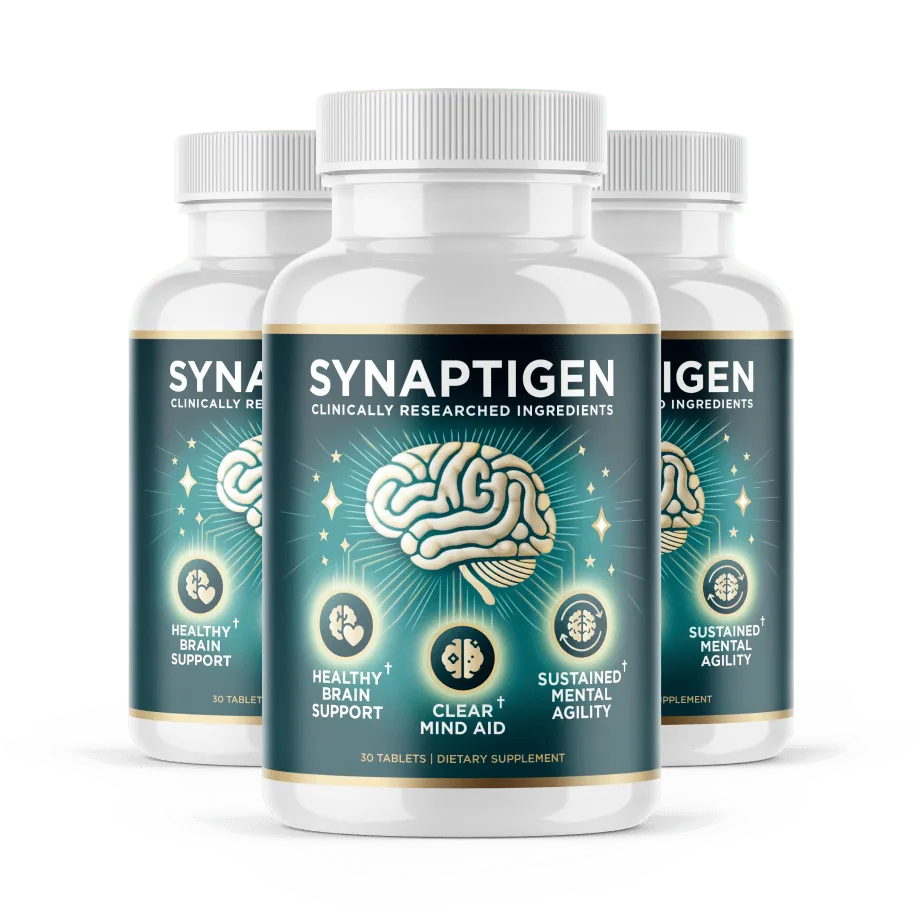
Given the intricate nature of brain chemistry and the profound influence of the gut-brain axis, a truly effective solution for neurotransmitter support needs to be comprehensive. This is where Synaptigen enters the conversation, offering a carefully crafted blend of natural ingredients designed to optimize your brain's communication systems and bolster cognitive resilience.
Synaptigen is not just another brain supplement; it’s a targeted formulation that acknowledges the latest scientific understanding of how our gut health directly impacts our mental clarity, mood, and memory. By focusing on supporting a healthy gut microbiome with specific probiotic strains and prebiotics, Synaptigen aims to create an optimal internal environment for neurotransmitter production and balance.
The formulation of Synaptigen includes key ingredients like Bifidobacterium lactis BL-04, Lactobacillus paracasei, and Lactobacillus reuteri, which are known for their beneficial effects on gut health and their potential to influence the gut-brain axis. These probiotics, combined with prebiotics such as Inulin, work synergistically to foster a thriving gut environment.
Furthermore, Synaptigen incorporates botanical extracts like Peppermint and Strawberry, which offer additional benefits such as soothing digestive comfort and providing antioxidant protection for brain cells. This multi-faceted approach ensures that you're not just getting a temporary fix, but rather foundational support for long-term cognitive well-being. Many users have shared their positive experiences, as highlighted in Synaptigen reviews and real results.
For individuals experiencing symptoms of cognitive decline, brain fog, or simply seeking to maintain peak mental performance, Synaptigen offers a natural, science-backed option. It's designed to be a gentle yet powerful ally in your journey towards optimized brain chemistry, helping you to regain focus, improve memory, and stabilize mood. Always remember to consult your healthcare provider before starting any new supplement regimen.
Take Control of Your Cognitive Health Today with Synaptigen
Don't let cognitive decline or brain fog hold you back. Synaptigen offers a unique blend of natural ingredients specifically formulated to support your brain's chemical balance and enhance your overall cognitive function. Experience the difference a balanced gut-brain axis can make.
- ✓ Supports healthy neurotransmitter production
- ✓ Enhances memory, focus, and mental clarity
- ✓ Promotes a balanced mood and reduced brain fog
- ✓ Utilizes the power of the gut-brain axis
- ✓ Made with 100% natural, science-backed ingredients




What Our Users Are Saying About Their Cognitive Boost
"I used to struggle with daily brain fog and memory lapses. After a few weeks on Synaptigen, I feel a remarkable difference. My focus is sharper, and I can recall information so much more easily. It's truly helped me feel more present and capable."
"As someone concerned about age-related cognitive decline, I'm always looking for proactive solutions. Synaptigen's focus on the gut-brain axis made sense to me. My digestion has improved, and I've noticed a significant uplift in my overall mood and mental clarity. Highly recommend!"
"I was skeptical at first, but the consistent brain fog was impacting my work. Synaptigen was a game-changer. I feel more energized mentally, my thoughts are clearer, and I'm less stressed. It feels like my brain is finally working at its best again."
Frequently Asked Questions
What are neurotransmitters and why are they important for brain health?
+Neurotransmitters are chemical messengers that transmit signals across nerve cells (neurons) in the brain. They play a crucial role in regulating virtually all brain functions, including mood, memory, learning, sleep, focus, and overall cognitive performance. Imbalances in these chemicals can lead to issues like brain fog, mood disturbances, and contribute to cognitive decline.
How does the gut-brain axis influence neurotransmitter production?
+The gut-brain axis is a bidirectional communication system between the digestive tract and the brain. The gut microbiome, consisting of trillions of bacteria, produces many neurotransmitters (like serotonin, dopamine, and GABA) and their precursors. A healthy gut microbiome is essential for balanced neurotransmitter levels and, consequently, optimal brain chemistry and cognitive function.
Can lifestyle changes truly impact my brain chemistry?
+Absolutely. Lifestyle factors such as a balanced diet, regular exercise, adequate sleep, and effective stress management are foundational to supporting healthy brain chemistry. They can directly influence neurotransmitter synthesis, receptor sensitivity, and overall neuronal health, playing a significant role in preventing cognitive decline.
What should I look for in a neurotransmitter support supplement?
+When choosing a supplement, prioritize those that contain science-backed ingredients known to support neurotransmitter synthesis or gut health. Look for probiotics, prebiotics, and natural plant extracts. Ensure the product is made with high-quality, natural ingredients, is GMP certified, and ideally, made in the USA for purity and potency. Always consult with a healthcare professional.
How quickly can I expect to see results from neurotransmitter support?
+The timeline for experiencing results can vary greatly depending on individual physiology, the severity of existing imbalances, and consistency of use. Some individuals may notice improvements in mood, focus, or sleep within a few weeks, while for others, it might take several months of consistent supplementation and lifestyle adjustments to observe significant cognitive benefits. Patience and consistency are key.
Is Synaptigen a suitable option for long-term cognitive support?
+Synaptigen is formulated with natural ingredients designed for comprehensive, long-term neurotransmitter and cognitive support, particularly by targeting the gut-brain axis. Its blend of probiotics, prebiotics, and botanical extracts aims to foster a healthy internal environment conducive to optimal brain chemistry. As with any supplement, it's advisable to discuss long-term use with your healthcare provider to ensure it aligns with your specific health needs.
Related Articles

.webp)